A collection of wildlife tracks from over the last few years.
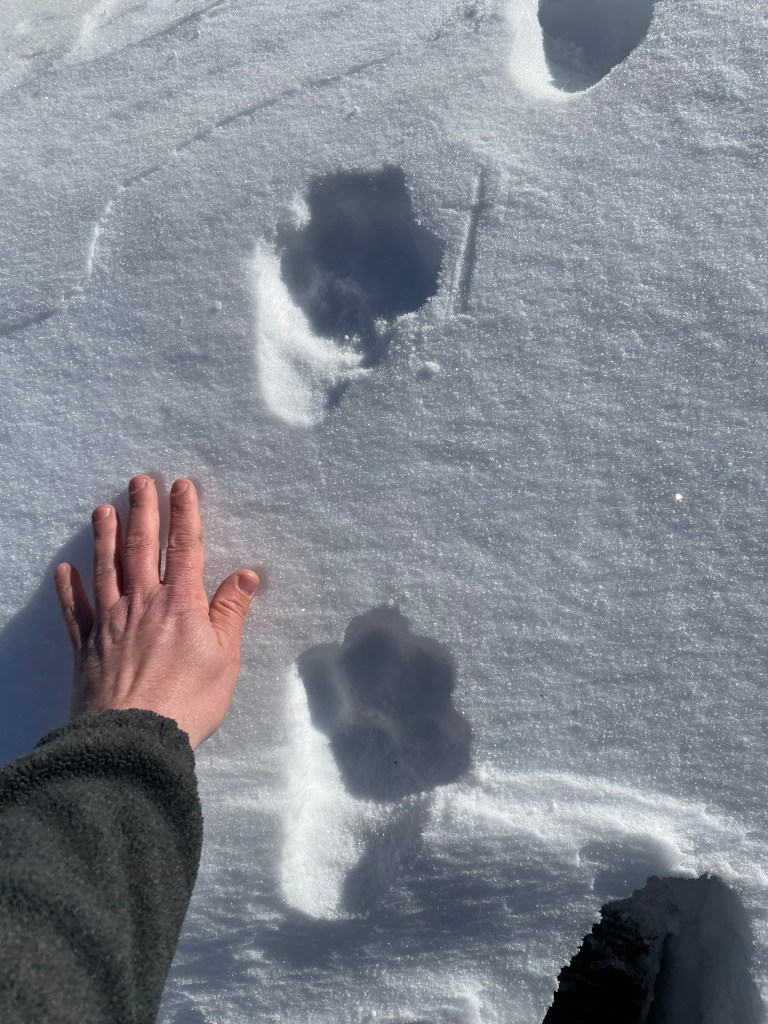
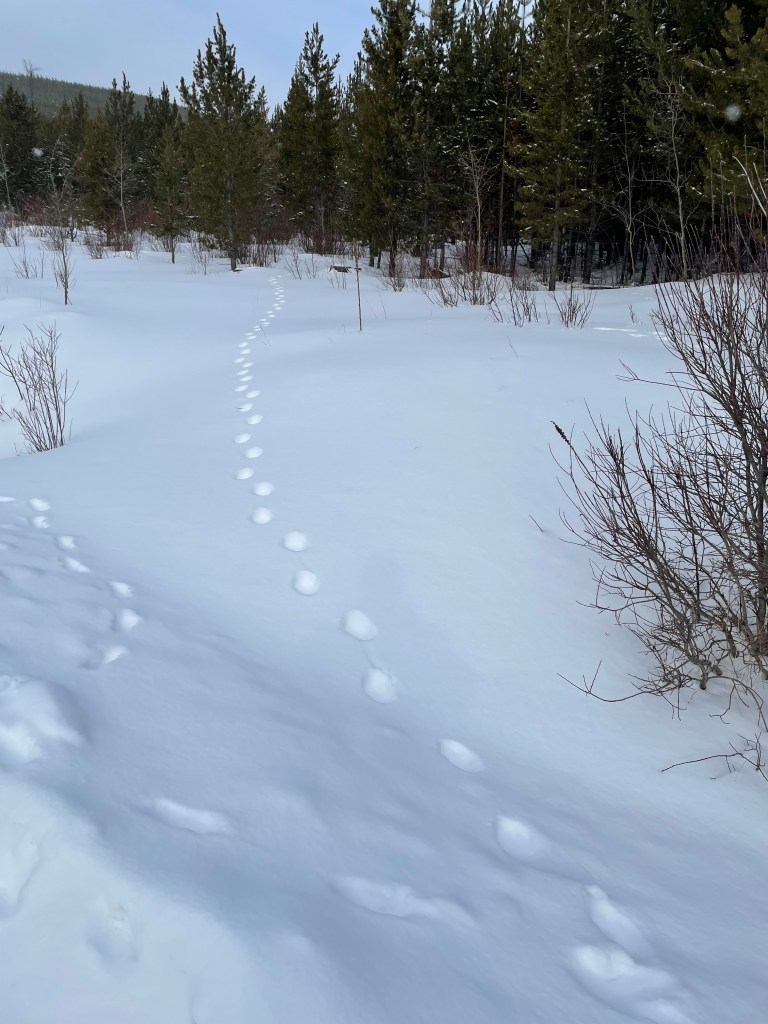
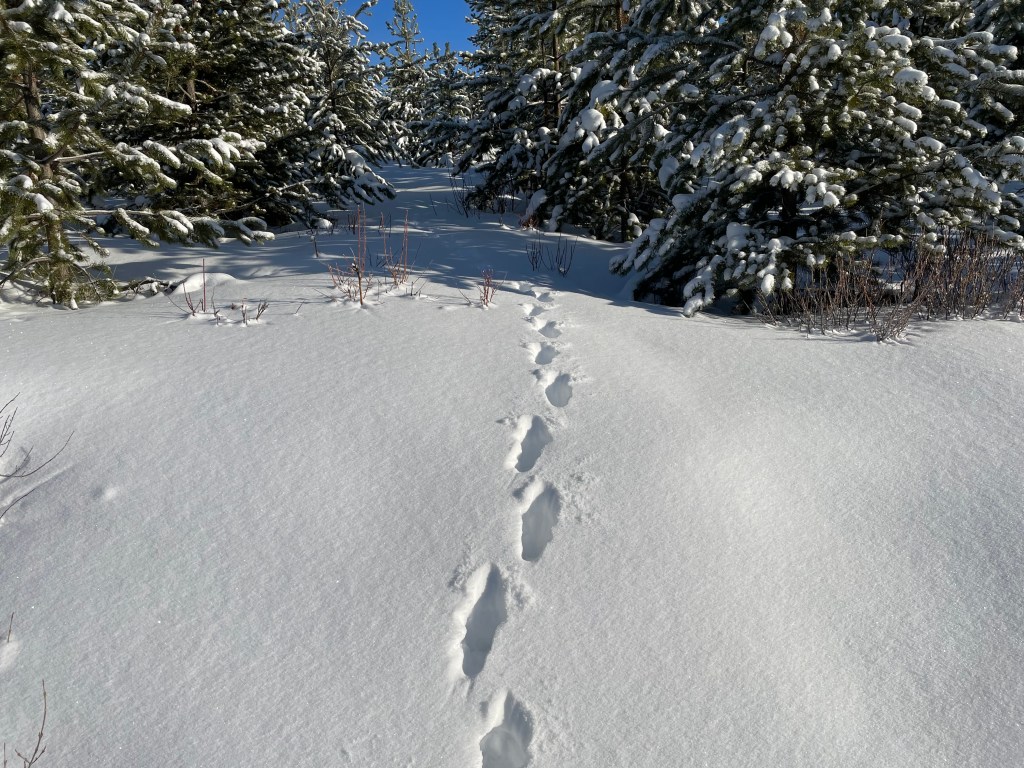
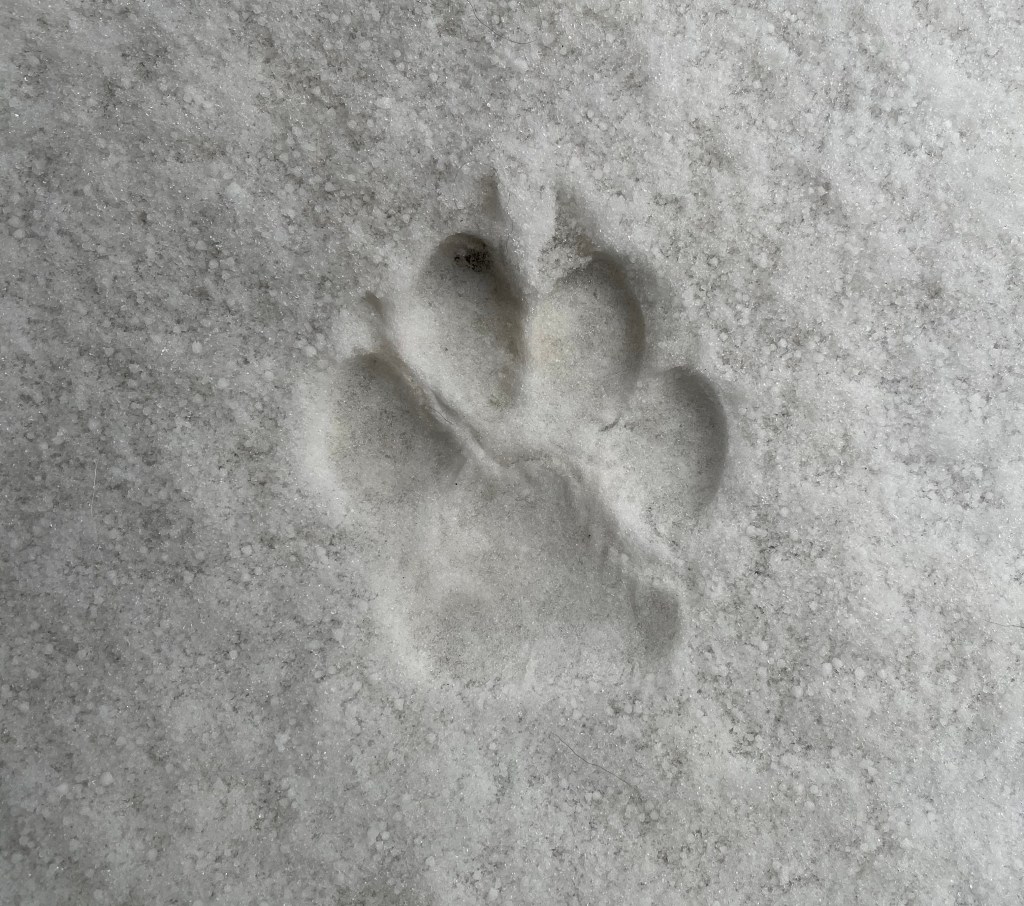
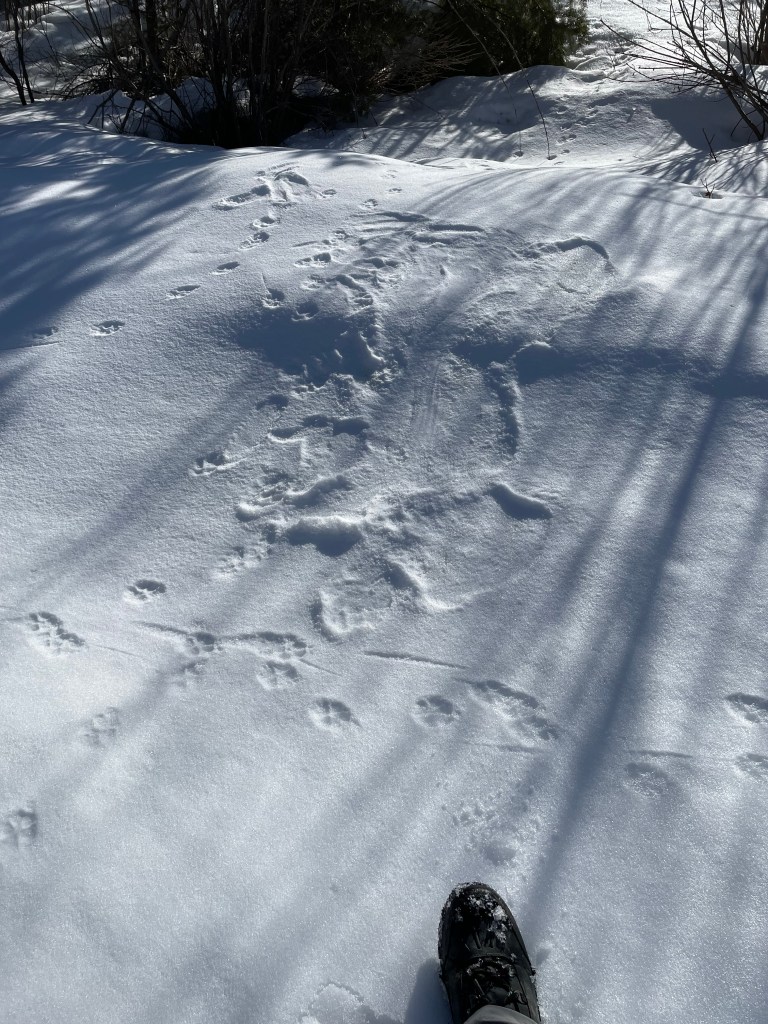
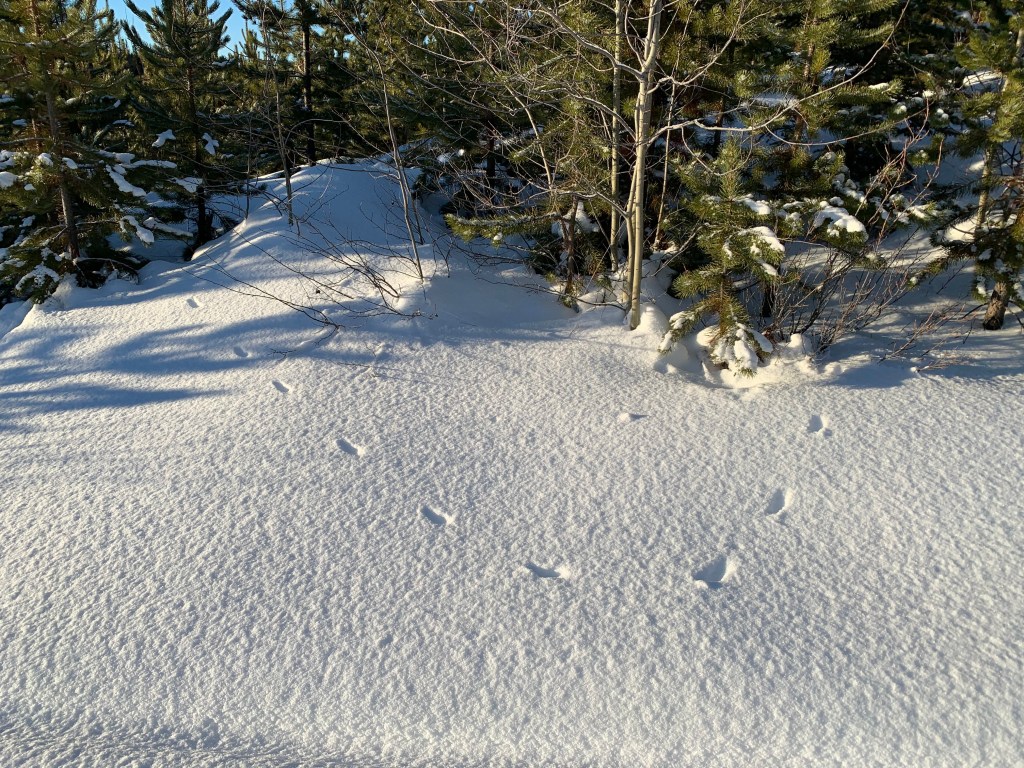
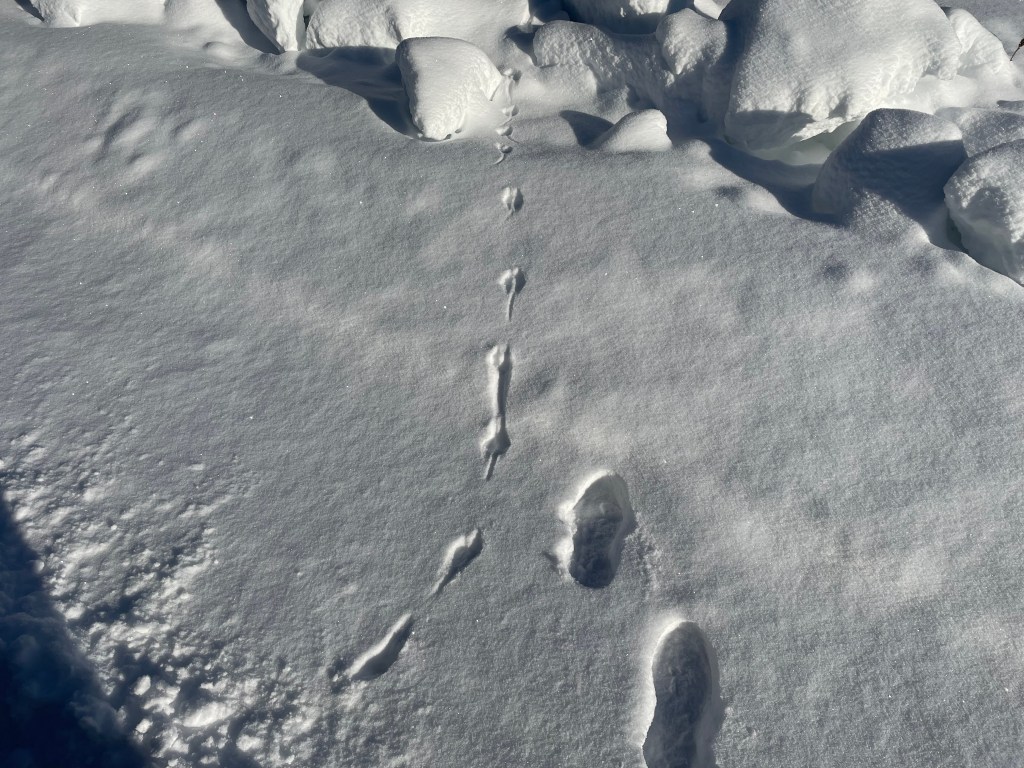
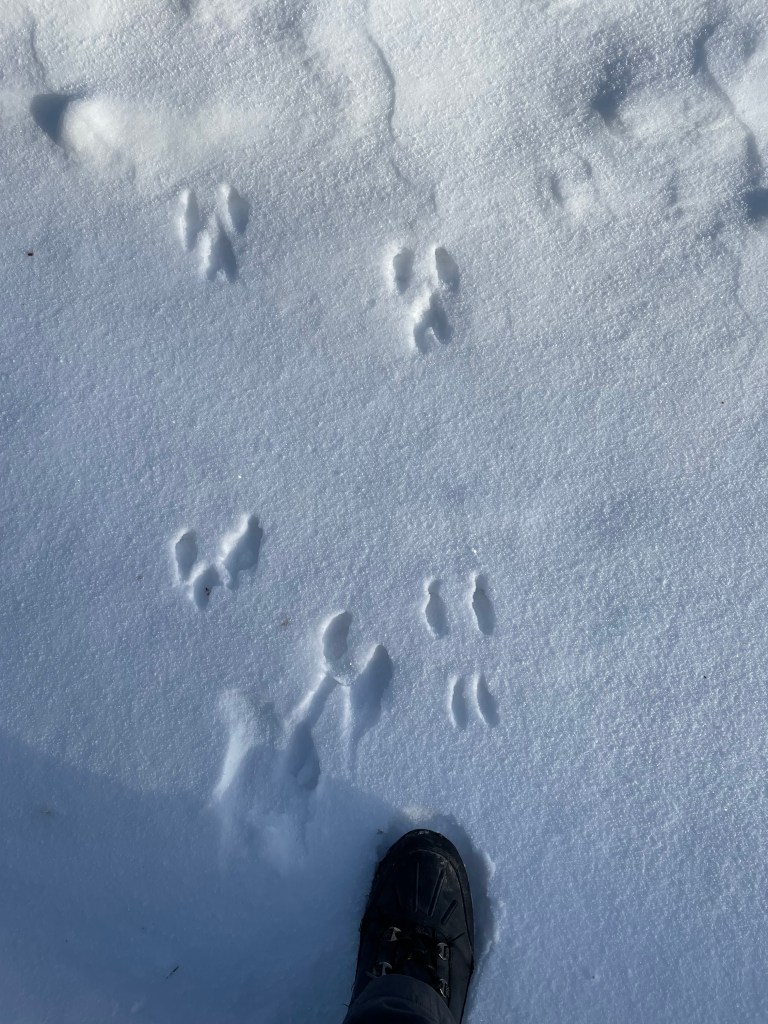
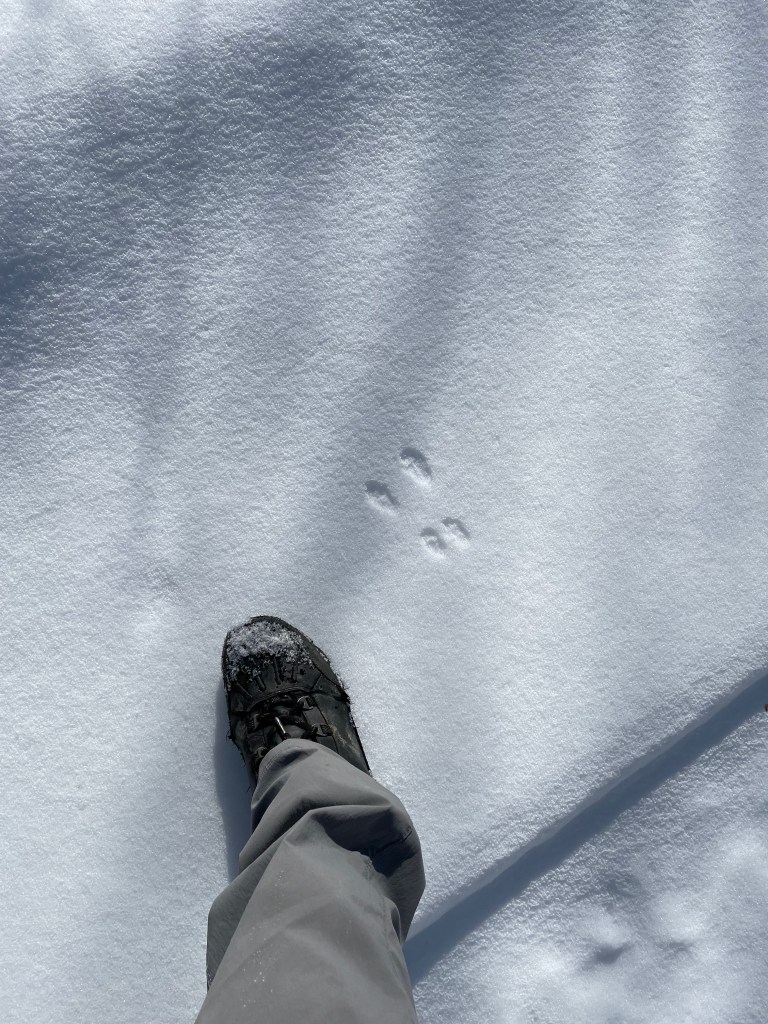
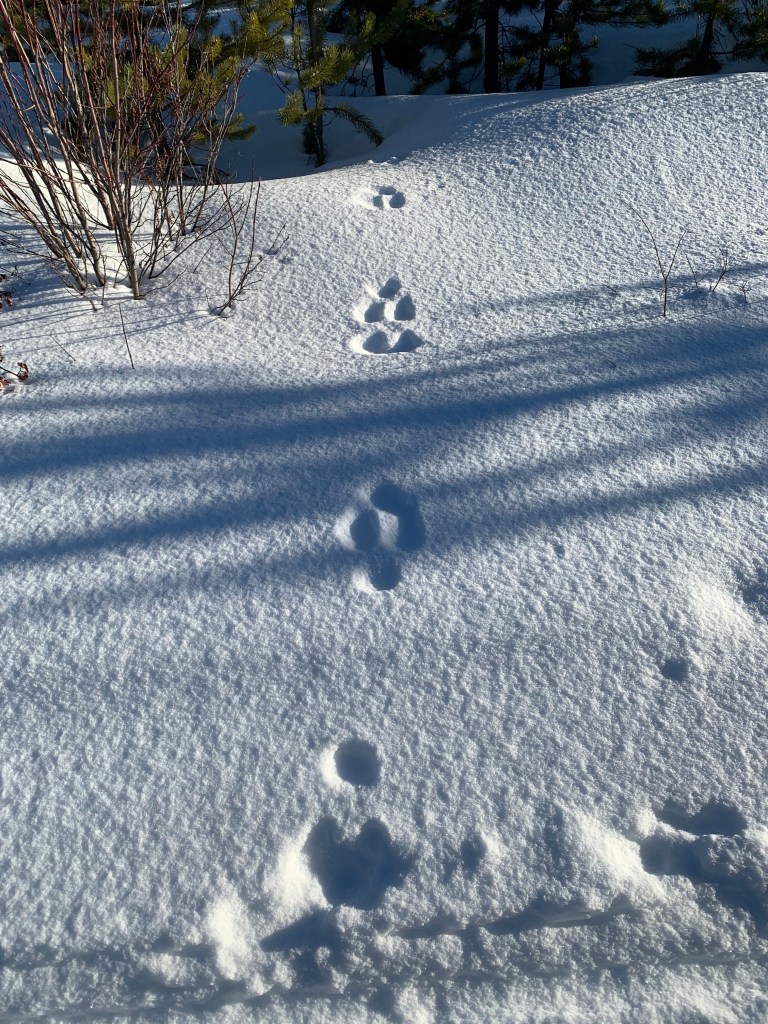
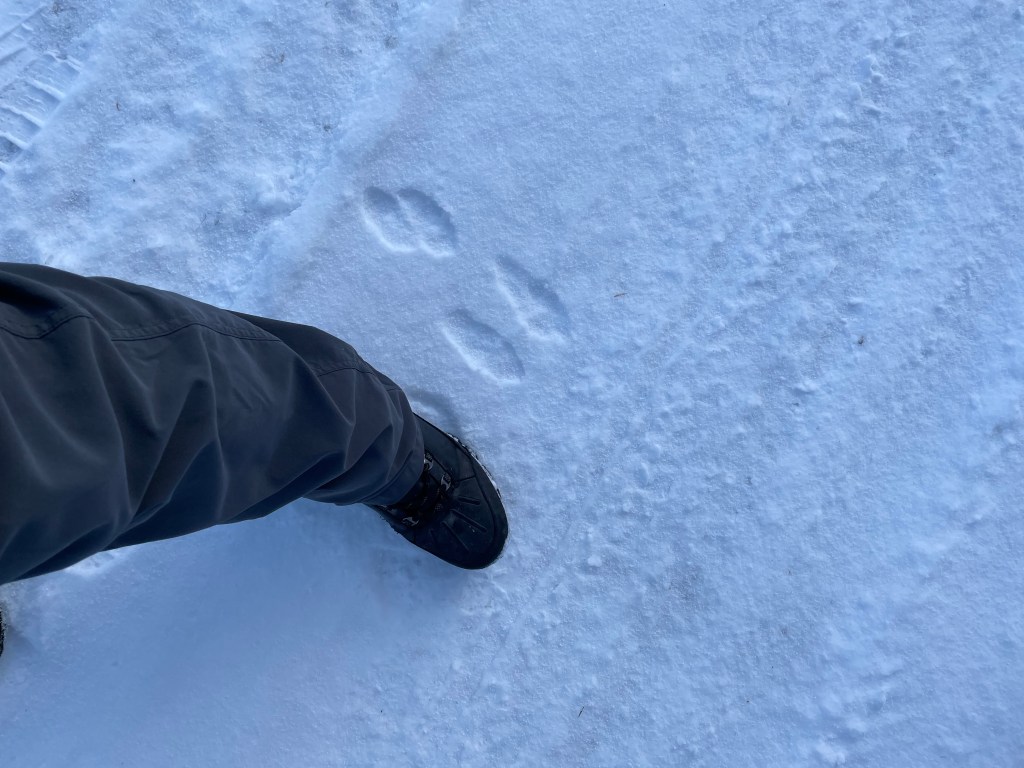
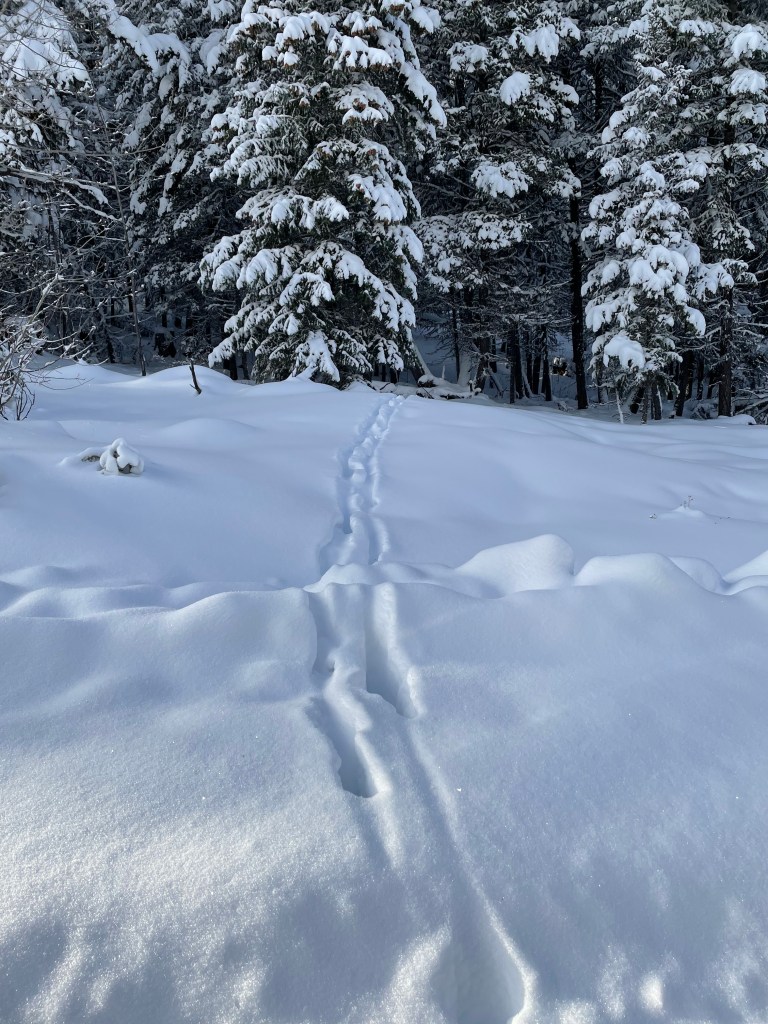
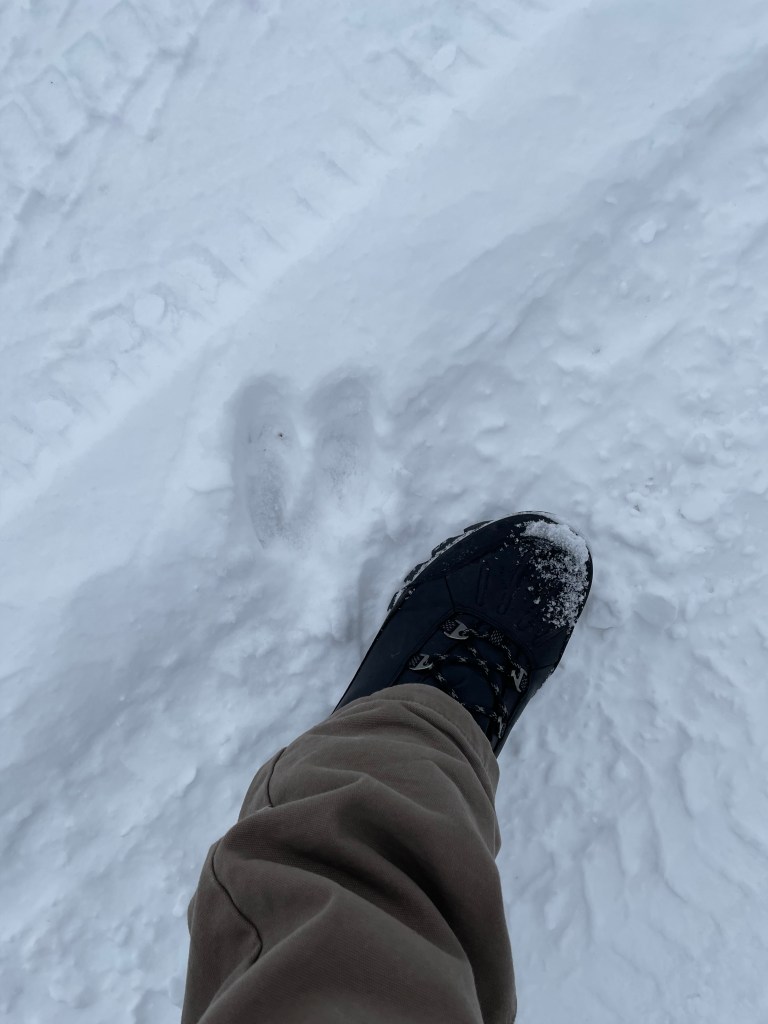
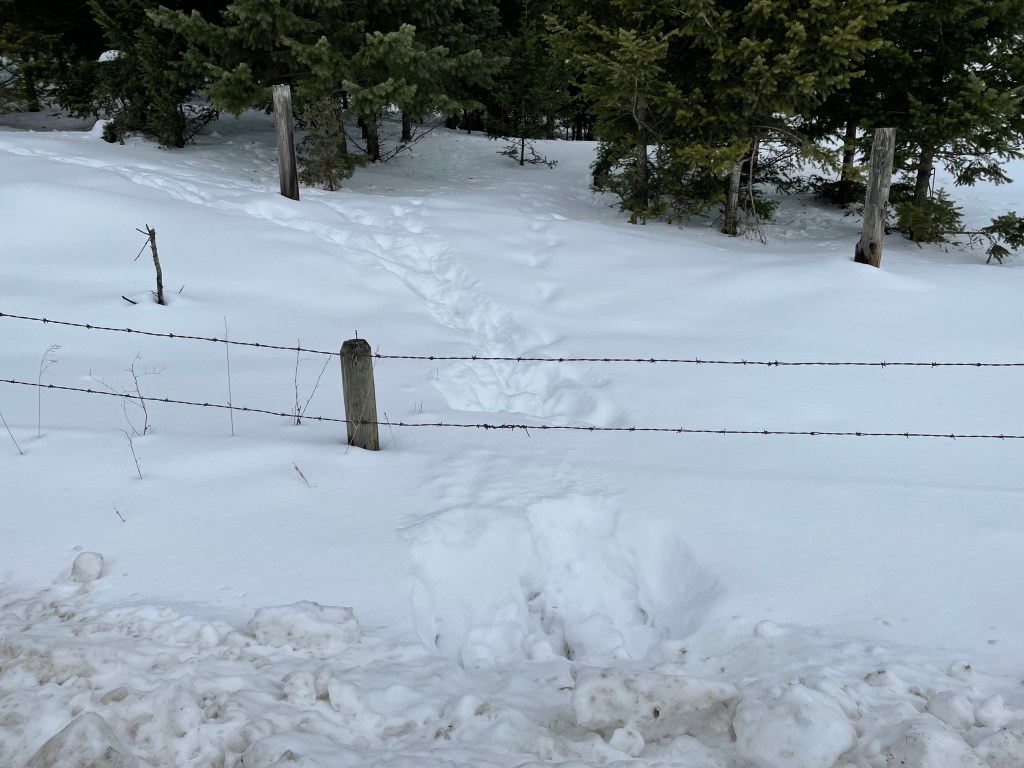
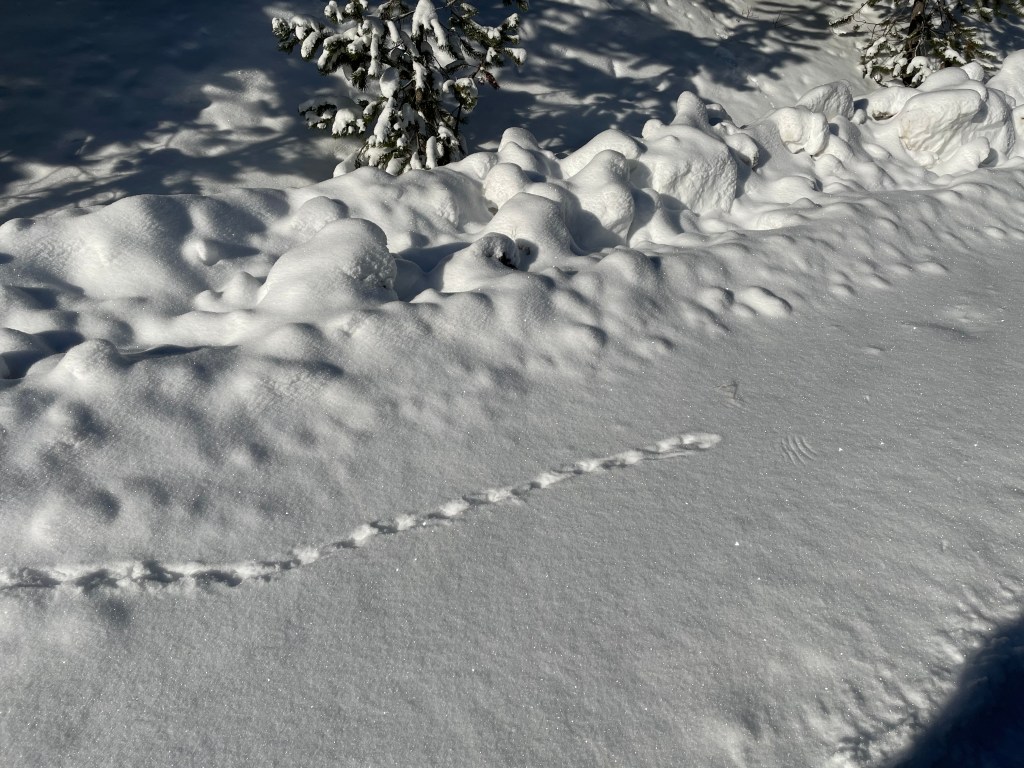
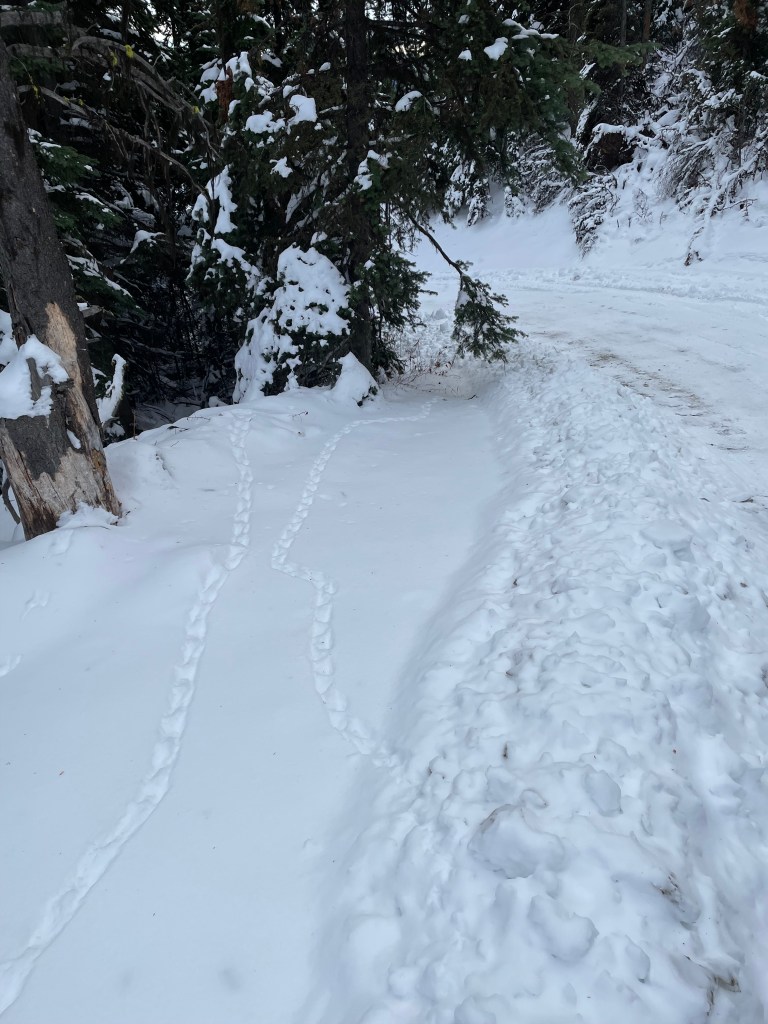
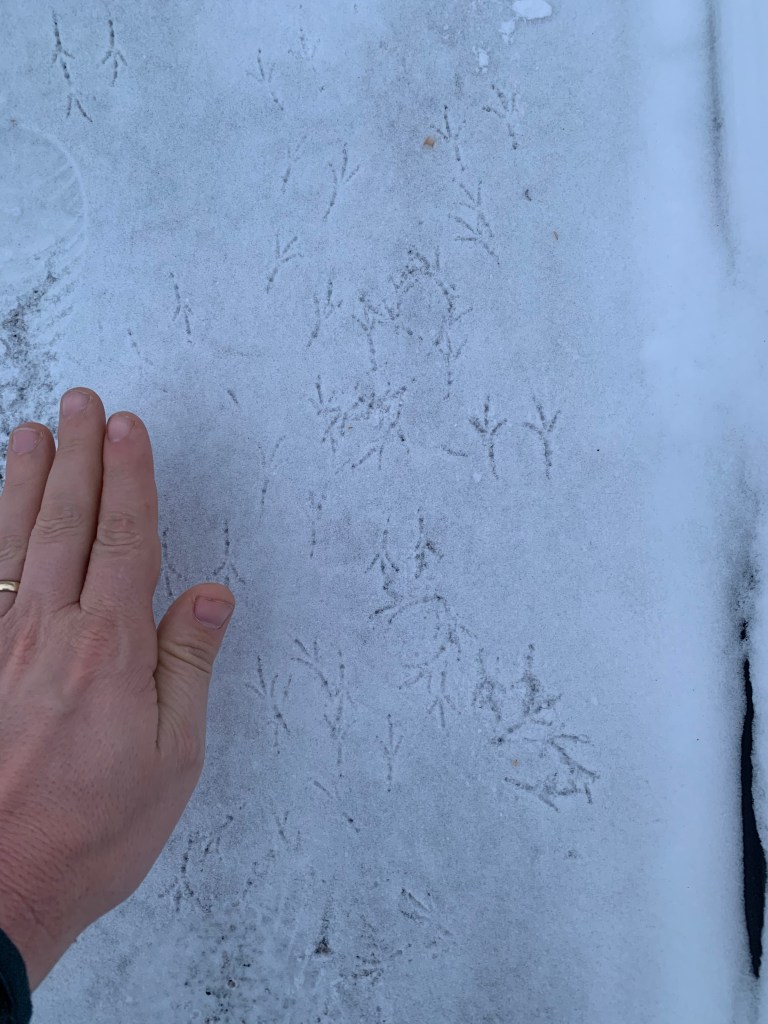
River Otter tracks and slidesRiver Otter in deep snowRiver Otter bounding over a frozen creek and a slide on the leftA group of River Otter passing along a frozen creek. Notice tail drags as well.Beaver tracksBeaver tracks and tail dragBobcat track. This one was seen making this track. Usually no claw mark in felines.Bobcat, also seen.Canada Lynx tracks. Lynx have furry feet so do not often leave a perfect track unless the snow is perfect like the one print above. Lynx have huge feet that help them walk on snow in order to chase down their main prey, Snowshoe Hares.Canada LynxCanada LynxCanada Lynx gait.Cougar track. Usually no claw marks and not as rounded as Lynx.Cougar tracks in fresh snow.Cougar gait. Long legs in deep snow, no drag between steps.Coyote. Can be tricky to separate from domestic dogs but generally speaking, wild dogs have more of an oval shape. Nails can also be more ground down in wild dogs vs. domestic dogs but his can be tough to judge.Coyote gait with drag between steps.Coyote tracks and rolling in the snow.Long-tailed Weasel bounding along. In a text book bounding track, it can appear that someone has scooped out little areas with a soup ladle. Back feet and front feet land and push off from the same place making a divot shape. In deep fresh snow, there can be a dumbbell shape like the middle track below. Long-tailed WeaselLong-tailed Weasel in hardened snow, saw this one make the tracks.Long-tailed Weasel. This track looks similar to a tiny squirrel track. In this one, the weasel is moving towards the top right. The front feet land below and the back feet land in front of the front feet and push off. The back feet are longer than the front feet.Long-tailed Weasel tracks. All four feet leave a track in each divot.Red Squirrel tracks. They can appear like a toy car has been lightly pressed into the snow like the one track above and especially the photo below. In all of the tracks above, the squirrel is moving from the bottom to the top of the photo. Larger back feet land in front of the smaller front feet as it moves.Classic Red Squirrel tracks. A bounding Red Squirrel track going to and up a tree.Red Squirrel in deep snow. Each track is all four feet landing and pushing off from nearly the same area. Striped Skunk. Left and right feet can be seen here but it is also possible to see that this animal has short legs as the body was also moving snow out of the way.Stripe Skunk tracks.Snowshoe Hare moving from the bottom of the photo to the top. The size of the back legs can be seen here (hence the name) as they land in front of the smaller front legs as it moves.Snowshoe Hare in very deep fresh snow, not the usual track. You can almost picture it struggling to move in this soft powder.Snowshoe HareSnowshoe Hare close up. Moving from right to left.Snowshoe HareDeer species. Both Mule and White-tailed Deer can be found in the area. Can resemble cross country ski marks due to dragging long and thin legs through the snow between steps.Deer specie tracksDeer spBounding Deer track. All four legs landing and pushing off from the same area.Moose track. Care must be taken to separate from cow tracks which seem to be everywhere in the region.A Moose walking over this fence.Moose tracks (not the ice cream) in deep snow.A Moose running with some drag between steps. Bighorn SheepA small rodent of some type.A small rodent dragging a tail.Another rodent showing tail drag.Small rodentGrouse species walking and then taking off. Notice the wing marks as it lifted off.Grouse landing at bottom left and then walking away towards the top right. Can easily be confused for a small mammal track.Grouse sp. walking.Great Grey Owl grabs a vole. You can see the head and wing shape as it landed feet first in deep snow. This track was seen being made.A Raven check out a discarded drink holder and then takes off on the bottom left.Dark-eyed Junco near a feederBlack Bear



















 revealednature.com
Well captured and described.
LikeLike